Finding a Trusted Roofing Contractor: Key Questions to Ask
Identifying a reliable roofing contractor is important for all homeowners. Several factors come into play, from checking qualifications to reviewing project quotes. Property owners often struggle in separating dependable contractors and those who may provide subpar results. Key questions can guide this process. Yet, knowing what questions to raise and how to interpret replies can significantly impact the choice. What should property owners focus on to ensure a productive relationship?
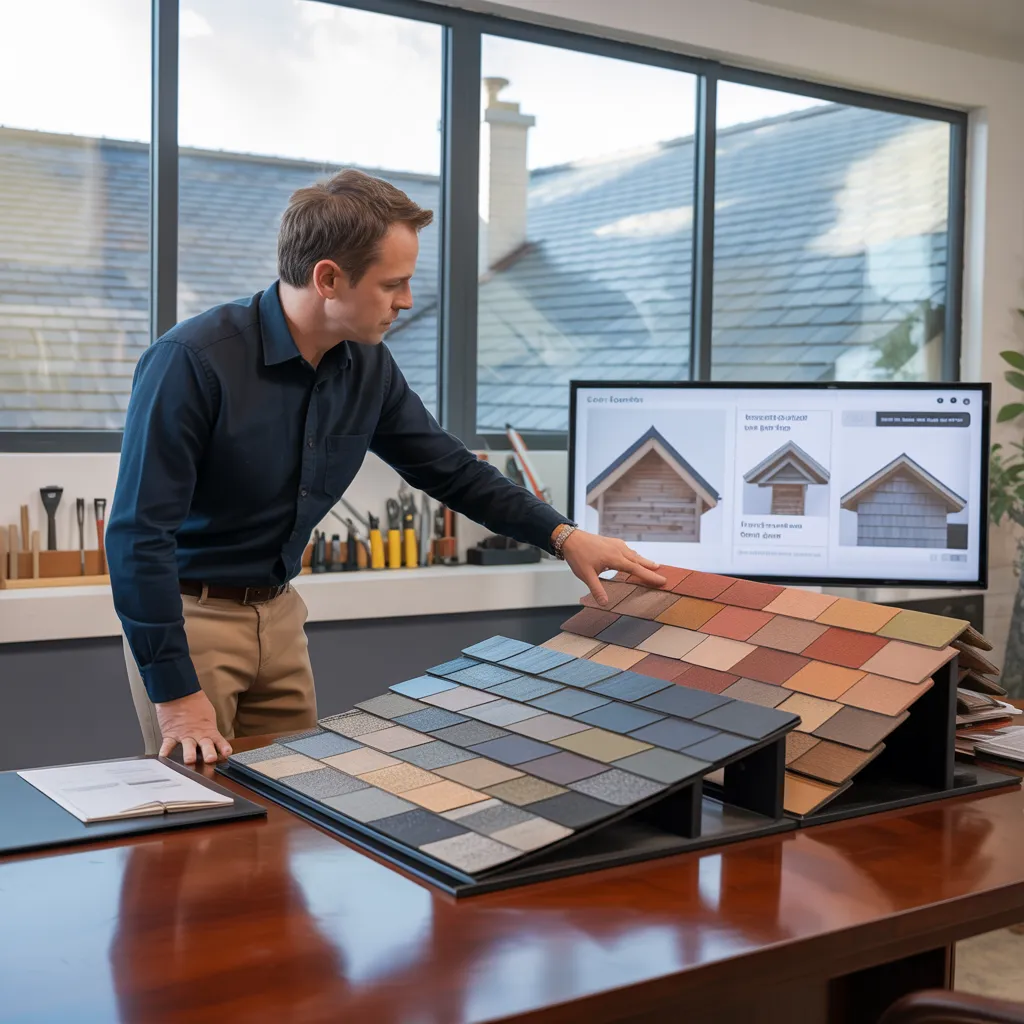
How to Protect Yourself from Scams When Hiring a Roofing Contractor
When looking for a roofing specialist, careful attention is required to protect against deceptive practices. Property owners should carry out extensive research before making any commitments. One effective strategy is to obtain multiple quotes from various contractors, which aids in recognizing excessive charges. Checking online reviews and testimonials can provide insight into a contractor's reliability and quality of work. Furthermore, checking the contractor's certifications, liability protection, and standing in the local market is essential.
Red flags often include contractors who demand upfront payment in full or pressure homeowners into hasty decisions. A reputable contractor should be willing to provide a thorough written proposal and contract. Clear communication is vital; a skilled contractor will be open and available during the entire process. Finally, it is advisable to check with local authorities, such as the Better Business Bureau, to check for any complaints or unresolved issues. By following these precautions, homeowners can significantly lower their chances of being targeted by roofing fraud.
What Credentials Does Your Roofing Contractor Need to Deliver Quality Work?
To ensure high standards in roofing projects, homeowners should search for contractors with defined credentials and expertise. First, a proper license proves that the contractor meets local regulations and industry standards. Residents should also verify adequate insurance, including liability and worker's compensation, to safeguard against financial liabilities during the project. Furthermore, certifications from reputable manufacturers show that the contractor has received specialized training and follows best practices. Membership in professional organizations, such as the National Roofing Contractors Association (NRCA), can additionally showcase a dedication to quality and continuous professional development in the field. Residents should inquire about coverage available for materials and workmanship, as these demonstrate the contractor's trust in their work. By emphasizing these credentials, property owners can ascertain they hire a roofing contractor able to provide superior results and a dependable roofing solution.
How to Assess a Roofing Contractor's Experience and References
Evaluating a roofing contractor's experience and references is vital for reaching a well-informed conclusion. This process includes verifying industry certifications, asking for a project portfolio, and thoroughly checking references. Every one of these measures provides insight into the contractor's credentials and prior work.
Verify Industry Certifications
When examining a roofing contractor's capabilities, verifying industry certifications serves as an essential step in determining their expertise and reliability. Certifications from recognized organizations, such as the recognized National Roofing Contractors Association or designated manufacturer accreditations, confirm that the contractor complies with industry standards and established practices. Such credentials frequently demand continuous education and training, making certain that contractors keep pace with the newest methods and materials. Additionally, it is prudent to check if the contractor holds necessary licenses and insurance, which provide protection for both the client and the contractor. This verification process not only affirms the contractor's qualifications but also enhances trust, providing peace of mind that the project will be completed to a high standard.
Access Project Portfolio
What methods can homeowners use to assess a roofing contractor's skill level? An excellent strategy is to request a project portfolio. This collection highlights past projects, enabling homeowners to evaluate the contractor's capabilities and techniques. A thorough portfolio generally contains images, project descriptions, and details about the materials used. Homeowners should seek out projects that match their particular situation, whether in design, scale, or difficulty. Additionally, assessing an array of past projects can demonstrate the contractor's adaptability and proficiency across various roofing types. By evaluating these instances, homeowners can make informed decisions about the contractor's qualifications, guaranteeing they choose an expert with demonstrated results. Ultimately, a carefully assembled portfolio acts as a powerful instrument for appraisal.
Check References Thoroughly
What measures can homeowners follow to confirm they are engaging a dependable roofing contractor? Carefully examining references is absolutely necessary. Homeowners are encouraged to obtain a list of former clients and get in touch with them to gather feedback on their experiences. Key questions include the contractor's communication skills, adherence to timelines, and quality of work. Moreover, homeowners should assess the contractor's background with related roofing tasks, verifying they have managed installations or repairs suited to their individual needs. Online reviews and testimonials can provide further insight, but personal references often yield more nuanced feedback. By diligently evaluating references, homeowners can gain confidence in the contractor's reliability and workmanship, ultimately making a more informed hiring decision.
What to Discuss Regarding Pricing and Project Estimates?
When considering costs and project quotes, homeowners should thoroughly assess a number of important factors to secure a positive roofing outcome. Initially, obtaining multiple quotes provides a basis for comparison, ensuring a fair price. Homeowners should inquire regarding the scope of work detailed in each quote to prevent unforeseen expenses later on. Homeowners must clarify the payment terms, including all required initial deposits and the payment schedule for future installments.
In addition, it is important for homeowners to discuss the materials that will be used, as quality has a significant effect on the overall price. Recognizing possible additional expenses, such as permit fees or disposal charges, is also essential. It is important for homeowners to check whether the estimate includes a comprehensive breakdown, enabling them to assess where funds are allocated. Lastly, they should find out about the projected completion schedule to make certain it fits their needs and expectations. Clear communication on these points will help establish confidence and openness between homeowners and their contractors.
What Warranties Ought Your Roofing Contractor to Offer?
A comprehensive warranty acts as a protective measure for property owners investing in a roof replacement. It is vital for homeowners and property owners to familiarize themselves with the warranty options provided by roofing contractors. Generally, there are two main types: workmanship warranties and manufacturer warranties. Manufacturer warranties address roofing material defects, while workmanship warranties cover installation errors.
Homeowners ought to ask about the timeframe of warranty coverage, as they can vary considerably. A reputable contractor could provide a warranty covering 10 to 50 years, according to the materials used. Furthermore, it is critical to confirm what types of damage are addressed and what is excluded.
Property owners should also inquire if the warranty is assignable, which can be a valuable feature if they decide to sell the home. Being aware of these warranty details can offer reassurance and help avoid additional costs related to issues with the roof.
How to Gauge Their Communication and Customer Service?
In what ways can homeowners properly gauge a roofing contractor's communication abilities and customer service quality? By observing initial interactions, homeowners can gain valuable insights. Timely replies to questions, whether via phone calls or emails, indicate a contractor's dedication to customer service. Furthermore, clear explanations regarding services, pricing, and schedules are critically important; contractors ought to be ready to translate intricate information into straightforward and accessible terms.
Homeowners should also evaluate whether the contractor listens attentively to their concerns and answers questions thoroughly. A trustworthy contractor will show patience and a sincere commitment to meeting client needs. Furthermore, reviewing online feedback and asking for referrals can offer valuable insight into the contractor's communication approach and quality of service. In the end, strong communication serves as a key sign of professionalism and dependability, assisting homeowners in making well-informed choices when choosing a roofing contractor.
Key Things to Know About Project Timelines and Management
Understanding project timelines and management is essential for homeowners initiating a roofing project, as these elements directly impact the overall experience and satisfaction. A reputable contractor should provide a clear schedule outlining key milestones, including beginning and end dates. Homeowners should seek information regarding potential delays, such as adverse weather or supply shortages, which can disrupt timelines.
Effective project management includes regular updates and communication. Homeowners are encouraged to find out how the contractor will communicate with them throughout the entire process and who will be the point of contact. Additionally, knowing the management style can help homeowners evaluate the contractor's ability to handle unforeseen challenges.
Ultimately, reviewing prior project histories and performance records can offer insights into the contractor's performance and work quality. By addressing these aspects, homeowners are able to reach well-informed conclusions, guaranteeing a more seamless roofing process while minimizing disruptions to their daily lives.
Frequently Asked Questions
How Can I Check a Contractor's Insurance Coverage?
To verify a contractor's insurance coverage, one should request a copy of their insurance documentation in person, verifying that it includes all necessary information. Furthermore, contacting the insurance provider will verify the policy's authenticity and specific coverage terms.
What Roofing Materials Do You Recommend for My Individual Needs?
The contractor recommended asphalt shingles because of their resilience and budget-friendly qualities, along with metal roofing for their extended lifespan and energy-saving benefits. The specialist highlighted the significance of taking into account local climate and the home's architectural style when selecting roofing materials.
Is There a Physical Location Available for Me to Visit?
The contractor acknowledged they have a physical office location, which clients are welcome to visit. This gives prospective clients to evaluate the company's credibility and professionalism while establishing trust through firsthand interaction view now and assessment.
Are You Responsible for Obtaining All Required Permits for the Project?
The contractor verified they would manage all necessary permits for this project. This confirmation brought peace of mind, indicating their experience and focus on following local regulations, ensuring a smooth and compliant roofing process.
How Are Disputes Handled When They Occur During the Project?
The contractor outlined a well-defined dispute management framework, highlighting open communication and mediation as primary steps. They further emphasized their commitment to resolving concerns in a timely manner to maintain project momentum and client satisfaction across all stages of the process.